


The Allure of Casinos: A Psychological Perspective
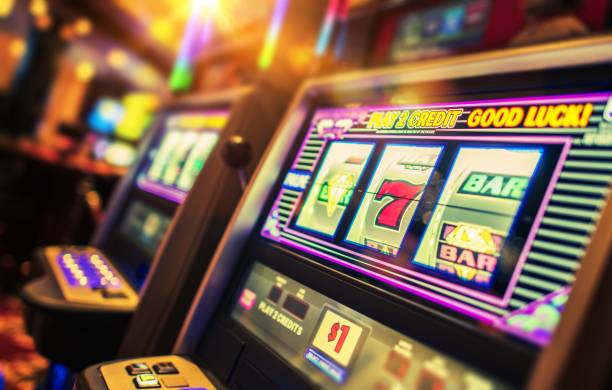
The atmosphere of a casino is meticulously crafted to captivate its visitors, engaging multiple senses to create an enticing environment. Bright lights, lively sounds, and the excitement of possibility all work together to stimulate emotions and draw individuals into a world where they feel liberated from the everyday grind. This sensory overload can trigger feelings of euphoria and anticipation, making it challenging for gamblers to resist the pull of the gaming tables. As some players explore their options, they might even come across opportunities to sweep coins casino, enhancing their experience further.
Moreover, the design of casinos often utilizes behavioral psychology principles to keep players engaged. For instance, slot machines are strategically placed to attract foot traffic, while the absence of clocks creates a disorienting experience where time seems irrelevant. This can lead to extended play sessions, as gamblers become absorbed in the moment, driven by the thrill of winning and the potential for a jackpot.
The Role of Risk and Reward in Gambling
At the core of gambling’s appeal is the thrill associated with risk and reward. Gamblers are drawn to the idea of winning not only monetary prizes but also the psychological satisfaction that comes with beating the odds. The dopamine rush from a potential win can create a cycle of reinforcement, where the brain associates gambling with pleasurable sensations, pushing individuals to return for more excitement.
This psychological concept aligns with the notion of intermittent reinforcement, where rewards are given at unpredictable intervals. This unpredictability enhances the anticipation and excitement surrounding each bet, as players remain hopeful that their next wager will yield a significant payout. The excitement of potential rewards can overshadow the reality of losses, creating an often skewed perception of gambling activity.
Cognitive Biases and Their Impact on Gamblers
Cognitive biases play a significant role in how gamblers perceive their chances of winning. Many individuals fall prey to the illusion of control, believing that they can influence the outcome of games that are primarily based on chance. This can lead to irrational betting behaviors, as gamblers overestimate their abilities or strategies, reinforcing their desire to continue playing despite unfavorable odds.
Another common bias is the gambler’s fallacy, where players believe that past outcomes impact future results. For example, if a roulette ball lands on red for several consecutive spins, a gambler might assume that black is “due” for a win. Such misconceptions can fuel an endless cycle of betting, leading individuals to chase their losses or cling to the hope of a turnaround.
The Social Dynamics of Gambling
Gambling is not merely an individual pursuit; it often encompasses social interactions that can amplify the psychological experience. Many individuals find enjoyment in the camaraderie of casino gaming, whether it be at a table with friends or amidst a bustling crowd. This social aspect can enhance the thrill of the game, as players feed off each other’s excitement and contribute to the overall atmosphere of anticipation.
Peer influence also plays a critical role in gambling behavior. Individuals may feel compelled to participate due to group dynamics or social norms, sometimes engaging in gambling activities they may not undertake alone. The shared experience can create a sense of belonging, driving individuals to return to casinos repeatedly, further embedding gambling in their social lives and identities.
Enhancing Personal Safety and Comfort in Casino Environments
As the landscape of casinos evolves, the importance of personal safety and comfort has never been more apparent. Establishments are increasingly focusing on creating environments that prioritize the well-being of their patrons. This means not only enhancing the physical layout but also implementing measures to promote a more mindful gaming experience.
By emphasizing user experience, casinos can craft a serene atmosphere that encourages responsible gambling habits. Providing resources and support for patrons can foster a more enjoyable environment where the focus shifts from mere winning to overall enjoyment and satisfaction. Understanding the psychological underpinnings of gambling can assist in developing strategies that help individuals navigate their experiences healthily and responsibly.